Best Time to Visit Seoul: Month-by-Month Guide
Published on March 20, 2026 by TwinRabbit Team
Trying to figure out the best time to visit Seoul? You're in luck! After five years living in this dynamic city, I can tell you that while Seoul shines year-round, the absolute prime time to visit is during spring (late March to May) for cherry blossoms and mild weather, or autumn (September to November) for stunning fall foliage and crisp air.
In This Guide:
- The Best Time to Visit Seoul: A Quick Look
- Spring in Seoul: Cherry Blossoms and Mild Weather (March - May)
- Summer in Seoul: Festivals and Monsoon Rains (June - August)
- Autumn in Seoul: Stunning Foliage and Crisp Air (September - November)
- Winter in Seoul: Festive Cheer and Snowscapes (December - February)
- Pro Tips for Visiting Seoul
- Frequently Asked Questions
- Wrap Up
The Best Time to Visit Seoul: A Quick Look
Honestly, picking the single best time to visit Seoul is tough because each season offers something unique. However, if I had to choose, I’d lean heavily towards spring and autumn for their comfortable weather and incredible natural beauty. These seasons provide the perfect backdrop for exploring everything Seoul has to offer without battling extreme temperatures.
Here’s a quick overview to help you decide when to plan your trip, covering what each season brings. Think of this as your cheat sheet for the best time to visit Seoul.
| Season | Weather | Crowds | Prices | Best For |
|---|---|---|---|---|
| Spring | Mild, sunny, pleasant (avg 10-20°C/50-68°F) | High | High | Cherry blossoms, outdoor activities, festivals |
| Summer | Hot, humid, rainy (avg 25-30°C/77-86°F) | Moderate | Moderate | Water parks, indoor attractions, summer festivals |
| Autumn | Cool, crisp, clear (avg 10-20°C/50-68°F) | High | High | Fall foliage, hiking, outdoor markets |
| Winter | Cold, dry, snowy (avg -5-5°C/23-41°F) | Moderate-Low | Moderate-Low | Skiing, winter festivals, cozy cafes, holiday lights |

Spring in Seoul: Cherry Blossoms and Mild Weather (March - May)
Ah, spring in Seoul! Trust me, this is when the city truly comes alive after the long winter. The air is fresh, the skies are usually clear, and the entire city explodes in a riot of pastels as cherry blossoms, magnolias, and azaleas bloom. Temperatures are mild and comfortable, making it ideal for walking and exploring.
This is arguably the best time to visit Seoul if you want to experience its picturesque beauty. However, everyone knows this, so expect crowds and higher accommodation prices. Book everything well in advance!
March: The Awakening
March can still be a bit chilly, especially early in the month, with average temperatures hovering around 5-10°C (41-50°F). You might even catch the tail end of winter snow flurries. By late March, the first signs of spring emerge.
- What to expect: Cool weather, less crowded than April, start of spring events.
- Don't skip this: Catching the very first blossoms at places like Seoul Forest or the plum blossoms at Changdeokgung Palace. It’s a magical sight before the big rush.
April: Cherry Blossom Extravaganza
April is peak spring, with average temperatures ranging from 10-18°C (50-64°F) and generally sunny days. This is when the cherry blossoms are in full bloom, typically from the first to third week of April, depending on the year. It's truly spectacular, but also incredibly popular.
- Best spots for blossoms:
- Yeouido Hangang Park: Famous for its Yeouido Cherry Blossom Festival. Walk along Yeouiseo-ro behind the National Assembly building.
- Seoul Forest: A sprawling park perfect for a leisurely stroll among the trees. Easy to get to from Seoul Forest Station (Bundang Line), Exit 3.
- Jinhae Gunhangje Festival: While not in Seoul, this is THE place for cherry blossoms in Korea. Worth a day trip if you're dedicated (around 4-5 hours by bus).
- Pro tip: Head out early in the morning to avoid the absolute thickest crowds, especially at popular spots. Pack a light jacket for evenings.
May: Greenery and Festivals
May brings warmer weather, averaging 15-22°C (59-72°F), and lush greenery. The cherry blossoms might be gone, but the city parks are vibrant, and there's a buzzing atmosphere with many outdoor festivals. This is still a fantastic time to enjoy outdoor activities.
- What to do:
- Lotus Lantern Festival (Yeon Deung Hoe): Usually held around Buddha's Birthday (which varies but often falls in May). The parade through Jongno is breathtaking.
- Rose Festivals: Check out Seoul Grand Park or Olympic Park for stunning rose gardens in bloom.
- Hiking: Head to Bukhansan National Park. The trails are gorgeous this time of year without the intense heat of summer.
- Quick Info:
Lotus Lantern Festival Parade: Jongno Street (from Dongdaemun to Jogyesa Temple). Free to watch. Check Visit Seoul Official for exact dates annually.
Summer in Seoul: Festivals and Monsoon Rains (June - August)
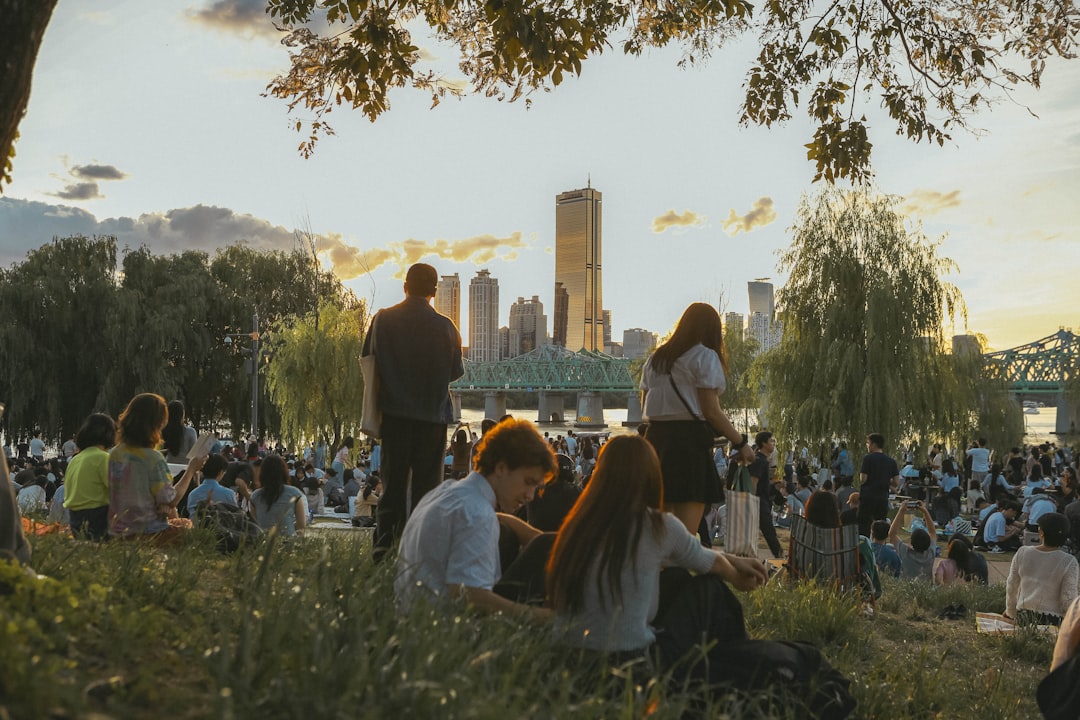
Summer in Seoul is an interesting beast. It's hot, humid, and dominated by the monsoon season (jangma) from late June to mid-July. Average temperatures range from 25-30°C (77-86°F), often feeling much hotter with the humidity. If you don't mind the heat and potential rain, this season offers vibrant festivals and a different side of the city.
Honestly, it wouldn't be my first pick for the best time to visit Seoul for first-timers, mainly due to the weather. But if it’s when you can come, there’s still plenty to enjoy!
June: Pre-Monsoon Buzz
Early June can be quite pleasant before the full onslaught of the monsoon. Temperatures are warm, around 22-28°C (72-82°F), and the air isn't as sticky yet. Towards the end of the month, the humidity starts to climb, and scattered showers become more frequent.
- What to enjoy: Outdoor activities like cycling along the Han River or exploring traditional villages like Bukchon Hanok Village before the heavy rains.
- Pro tip: Get your outdoor adventures in early in the month. By late June, start packing a small umbrella or rain jacket.
July: Monsoon Season & Indoor Fun
July is peak monsoon. Expect heavy, intermittent rainfall, sometimes for days on end. Temperatures are high, 25-30°C (77-86°F), with very high humidity. It can be challenging for sightseeing.
- Best activities during monsoon:
- Museum hopping: National Museum of Korea, Leeum Samsung Museum of Art.
- Cafe culture: Seoul has an incredible cafe scene. Spend hours people-watching and enjoying delicious coffee. My current favorite is located near Hongik University Station (Line 2), Exit 3.
- Shopping: Underground shopping malls (Gangnam Station, Express Bus Terminal) are perfect for escaping the rain and heat.
- Don't skip this: Trying patbingsu (shaved ice dessert) at least once. It’s the ultimate summer treat.
August: Post-Monsoon Heat
The monsoon usually tapers off by early August, but the heat lingers, often intensifying. Temperatures can reach 30°C (86°F) and above, with lingering humidity. While sunny, it’s a time to stay hydrated and plan indoor or water-based activities.
- Summer festivals:
- Hangang Summer Festival: Various events along the Han River including water sports, outdoor movies, and night markets.
- Boryeong Mud Festival: A bit of a trip outside Seoul, but a wild experience if you’re looking for something unique (about 2-3 hours by bus).
- Quick Info:
Hangang Summer Festival: Runs through July & August. Check Korea Tourism Organization for specific programs and locations along the Han River parks. Many activities are free or low cost.
Autumn in Seoul: Stunning Foliage and Crisp Air (September - November)
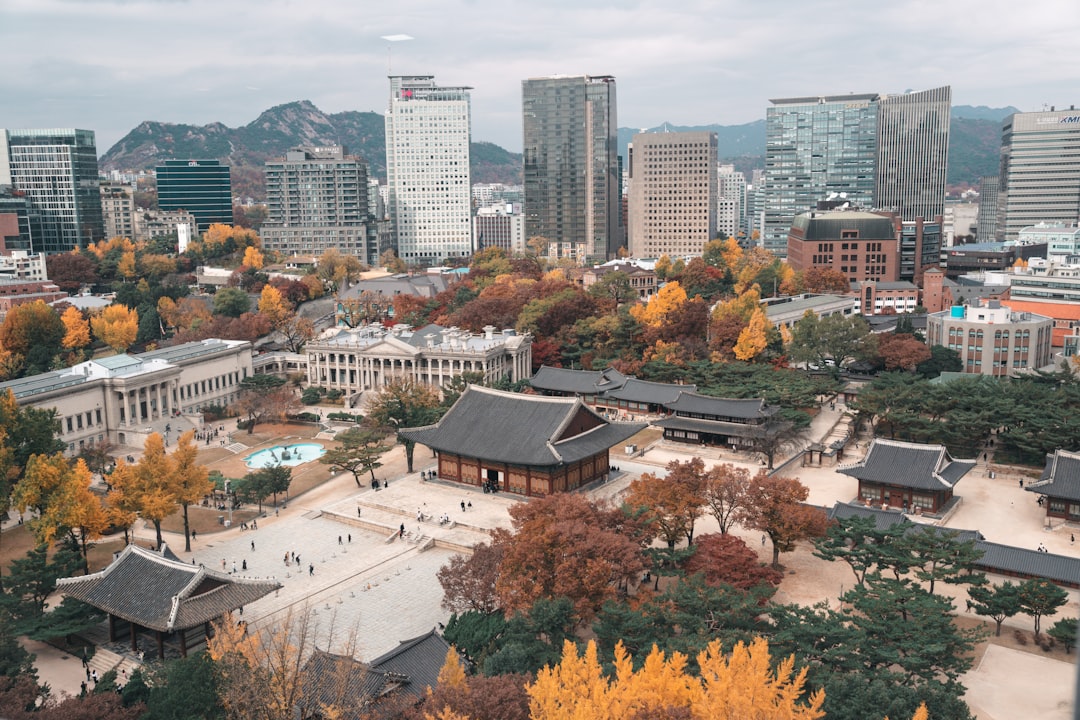
If you ask a local, many will tell you that autumn is the absolute best time to visit Seoul. And honestly, I'd agree! The weather is fantastic – crisp, clear, and comfortably cool, with average temperatures ranging from 10-20°C (50-68°F). The entire city becomes a canvas of fiery reds, brilliant yellows, and deep oranges as the leaves change.
This season is perfect for exploring both urban and natural landscapes. Expect crowds, especially at popular foliage spots, and slightly higher prices, but it’s absolutely worth it.
September: Gentle Transition
Early September still feels like a continuation of late summer, with pleasant warmth around 20-25°C (68-77°F). By mid-September, the cooler, drier air begins to settle in. This is a lovely time to explore without the intense crowds of peak foliage season.
- What to enjoy:
- Chuseok (Korean Thanksgiving): Often falls in September. While many shops close, it's a unique cultural experience to see families traveling. Check specific dates as they vary annually.
- Outdoor dining: The weather is perfect for enjoying a meal or a drink on an outdoor patio in areas like Itaewon or Gyeongnidan-gil.
- Pro tip: If you travel during Chuseok, be aware that public transport can be very busy with people visiting their hometowns. Plan accordingly.
October: Peak Fall Foliage
October is the star of autumn. Temperatures are ideal, around 10-18°C (50-64°F), with abundant sunshine. The fall foliage usually peaks from mid-October to early November. Every park, mountain, and palace garden turns into a postcard-perfect scene.
- Top foliage viewing spots:
- Namsan Park: Hike up to N Seoul Tower for panoramic views of the city surrounded by colorful trees.
- Bukhansan National Park: For serious hikers, this offers breathtaking trails and stunning mountain views. Multiple entrances, many accessible by subway.
- Palace Grounds (Gyeongbokgung, Changdeokgung, Deoksugung): The traditional architecture combined with vibrant autumn leaves is simply magical. Don't skip this!
- Garosu-gil: Famous for its ginkgo tree-lined street. Grab a coffee and enjoy the golden canopy. Access from Sinsa Station (Line 3), Exit 8.
- Honestly: Pictures don't do it justice. You have to see it for yourself. The colors are incredibly vivid.
November: Late Autumn Charm
Early November continues to offer beautiful fall colors, though the peak has passed, and the weather becomes crisper, around 5-12°C (41-54°F). By late November, the leaves have mostly fallen, and the city starts to prepare for winter. It's a quieter, more reflective time to visit.
- What to do:
- Visit a traditional tea house: Head to Insadong for a warm cup of traditional tea.
- Enjoy indoor markets: Explore Gwangjang Market or Namdaemun Market for local food and goods without the chill.
- Quick Info:
Gwangjang Market: Opens daily, roughly 9 AM to 11 PM for food stalls. Some shops close earlier. Expect to pay around ₩5,000-15,000 (approx. $4-12 USD) per dish. Jongno 5(o)-ga Station (Line 1), Exit 8. Check it out on Google Maps.
Winter in Seoul: Festive Cheer and Snowscapes (December - February)
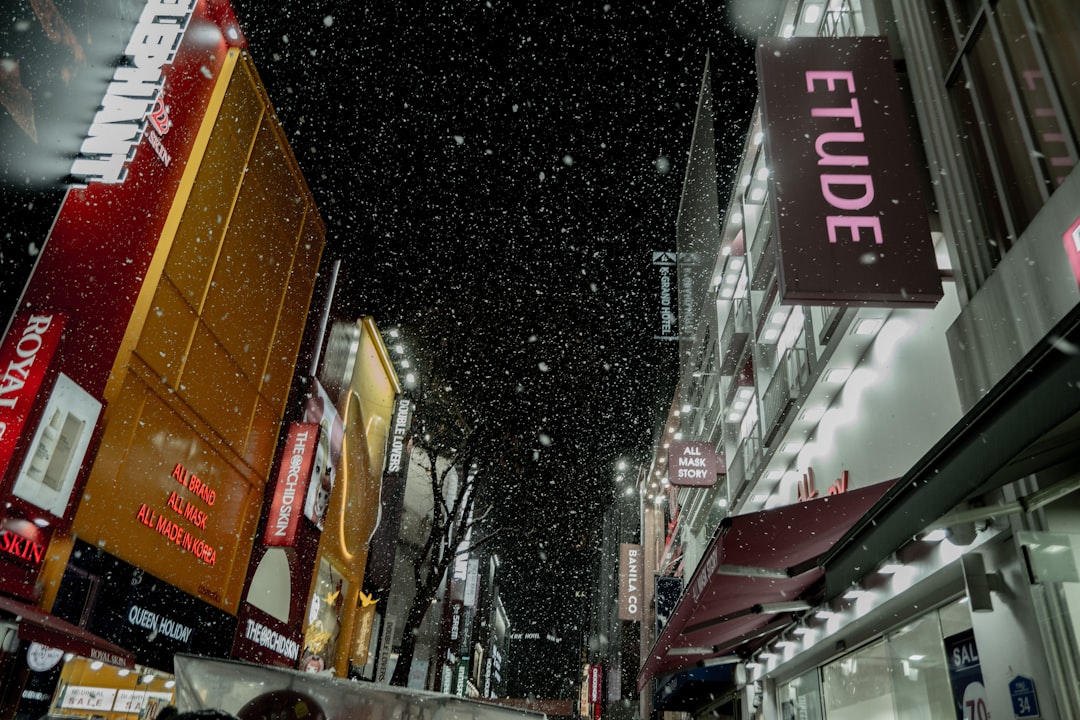
Winter in Seoul is undeniably cold and dry, with average temperatures ranging from -5°C to 5°C (23-41°F). Snowfall is common, transforming the city into a beautiful, albeit chilly, wonderland. If you're a fan of festive lights, winter sports, or cozy indoor activities, then this could be a great time for you.
For those who don't mind bundling up, winter offers a unique charm. It’s also generally a less crowded and more affordable period than spring or autumn.
December: Holiday Lights and Christmas Markets
December brings the festive spirit to Seoul. Temperatures are cold, typically around -2°C to 4°C (28-39°F). The city lights up with dazzling Christmas decorations and winter markets, making it a magical time despite the chill.
- What to enjoy:
- Christmas Lights: Myeongdong, Gangnam, and the Cheonggyecheon Stream are beautifully decorated.
- Lotte World or Everland: Theme parks are transformed for the holidays with special parades and decorations.
- Skiing/Snowboarding: Many resorts are a short bus ride from Seoul (e.g., Elysian Gangchon, Vivaldi Park).
- Honestly: Don't skip the Christmas street food like hotteok (sweet pancake) or eomuk (fish cakes) from street vendors to keep you warm!
January: Snow and Ice Festivals
January is typically the coldest month, with temperatures often dropping below -10°C (14°F). Expect clear, crisp days, often with fresh snowfall that blankets the city. It’s perfect for embracing winter activities.
- Winter activities:
- Ice Skating: Seoul Plaza or Lotte World offer outdoor rinks.
- Seoul Lantern Festival: Sometimes extends into January.
- Catching the first snow: Head to a palace or traditional village for truly stunning photos.
- Pro tip: Layer up! Thermal underwear, warm socks, a heavy coat, hat, gloves, and a scarf are essential.
February: Warming Up (Slightly)
February is still very cold, but by late month, you might feel a slight shift towards spring. Temperatures average around -3°C to 5°C (27-41°F). The winter festivals continue, and it's generally a quieter time to explore before the spring rush.
- What to do:
- Seollal (Lunar New Year): Usually falls in late January or February. Similar to Chuseok, many businesses close, and it’s a family-oriented holiday.
- Jjimjilbang (Korean bathhouse): The ultimate way to warm up and relax during the cold months. Spa Land Centum City in Busan is famous, but there are plenty of great ones in Seoul, like Dragon Hill Spa.
- Quick Info:
Dragon Hill Spa & Resort: Yongsan Station (Line 1, Gyeongui-Jungang Line), Exit 1. Open 24/7. Entry typically ₩15,000-20,000 (approx. $12-16 USD).
Pro Tips for Visiting Seoul
- Embrace Public Transport: Seoul's subway system is incredibly efficient, clean, and easy to navigate. Get a T-Money card upon arrival (available at convenience stores) and load it up. It works on buses too!
- Download Essential Apps: Naver Maps or Kakao Map are crucial for navigation, as Google Maps doesn't work optimally in Korea. Papago is fantastic for translation.
- Check Fine Dust Levels: Especially in spring and autumn, fine dust (미세먼지, mise meonji) can be an issue. Download an app like "AirVisual" or "DustInfo" to check daily levels. If it's high, wear a KF94 mask.
- Learn Basic Korean Phrases: Even just "Annyeonghaseyo" (hello), "Kamsahamnida" (thank you), and "Juseyo" (please give me) will go a long way and are much appreciated by locals.
- Book Accommodation in Advance for Peak Seasons: If you're coming during cherry blossom season (April) or fall foliage (October), hotels fill up fast and prices spike. Don't wait until the last minute!
Frequently Asked Questions
Q: Is Seoul too cold in winter?
Seoul winters are very cold, often dropping below freezing and feeling even colder with wind chill. However, with proper layering (thermals, warm coat, hat, gloves, scarf), it's perfectly manageable. Indoor heating is excellent, and winter activities like skiing and ice skating are popular.
Q: When is the cherry blossom peak in Seoul?
The cherry blossom peak in Seoul typically occurs from the first to third week of April. The exact timing varies slightly each year depending on the weather, so it's always good to check local forecasts a week or two before your trip.
Q: How bad is the fine dust in Seoul?
Fine dust levels in Seoul can be a concern, particularly during spring (March-May) and sometimes in autumn (October-November). Levels fluctuate daily. It's advisable to check a local air quality app and wear a KF94 mask on days with high readings to protect your respiratory health.
Q: What is the cheapest time to go to Seoul?
Generally, the winter months (December-February, excluding holiday weeks) and the peak of the summer monsoon season (July) tend to be the cheapest times to visit Seoul. Flights and accommodation prices usually drop due to the less ideal weather conditions and fewer crowds.
Q: Is it worth visiting Seoul during the rainy season?
Visiting Seoul during the rainy season (late June to mid-July) can still be worthwhile, especially if you focus on indoor activities. Embrace the vibrant cafe culture, explore museums, enjoy underground shopping, and take advantage of fewer crowds at popular spots on rainy days.
Wrap Up
No matter when you decide to come, Seoul always has something incredible to offer. Just remember that the best time to visit Seoul truly depends on what you're hoping to experience. Pick your season, pack smart, and get ready for an unforgettable adventure in this amazing city!