How to Plan a Seoul Trip on Your First Visit
Published on April 10, 2026 by TwinRabbit Team
So, you're planning your first time Seoul trip? Get ready to fall head over heels for one of the most dynamic, delicious, and downright exciting cities on the planet. For your first time in Seoul, focus on balancing iconic sights with local experiences, efficient public transport, and a deep dive into the incredible food scene to make your visit unforgettable.
In This Guide:
- Your First Time Seoul: Where to Stay & Why It Matters
- Crafting Your First Time Seoul Itinerary
- Getting Around Seoul: A Pro's Guide
- Eating Your Way Through Seoul: What to Expect
- Budgeting for Your First Time Seoul Trip
- Pro Tips from a Local
- Frequently Asked Questions
- Wrap Up
Your First Time Seoul: Where to Stay & Why It Matters
Choosing where to base yourself can make or break your first time Seoul experience. It’s not just about the hotel; it’s about the vibe, convenience, and how easily you can access everything on your list. Trust me, picking the right neighborhood saves you so much travel time.
Each area has its own unique flavor, catering to different types of travelers. Think about what you want most from your trip: nightlife, culture, shopping, or a more relaxed pace. This initial decision will influence your entire stay.
Best Neighborhoods for First-Timers
Honestly, a few neighborhoods really shine for first-time visitors due to their accessibility and blend of attractions. You want to be well-connected, but also feel immersed in the Seoul experience.
- Hongdae (홍대): This is my top pick for most first-timers. It's vibrant, energetic, and literally packed with indie shops, cafes, street art, and incredible food. Plus, it's a major hub for nightlife and entertainment, especially popular with young people and artists.
Quick Info: Vibe: Youthful, artistic, lively Nearest Station: Hongik University Station (Line 2, AREX, Gyeongui-Jungang Line) Why I love it: You can easily spend days here just exploring. Great for people-watching and late-night eats.
- Myeongdong (명동): If you're all about shopping and staying central, Myeongdong is your spot. It's a bustling commercial district famous for cosmetics, fashion, and its fantastic street food alley. It’s super well-connected by subway.
Quick Info: Vibe: Bustling, commercial, tourist-friendly Nearest Station: Myeongdong Station (Line 4), Euljiro 1-ga Station (Line 2) Why I love it: Perfect for first-timers who want everything at their fingertips, literally.
- Insadong (인사동) / Jongno (종로): For a dose of traditional Korean culture, history, and craft, Insadong is beautiful. It's quieter than Hongdae or Myeongdong but still incredibly central, putting you close to palaces and traditional villages. Jongno encompasses Insadong and offers more business-oriented hotels.
Quick Info: Vibe: Traditional, cultural, calm Nearest Station: Anguk Station (Line 3), Jonggak Station (Line 1) Why I love it: You feel like you’ve stepped back in time, yet modern amenities are just around the corner.
- Gangnam (강남): Famous for its upscale shopping, trendy cafes, and plastic surgery clinics, Gangnam offers a glimpse into Seoul's modern, luxurious side. It's a bit further out from the historical sites but has excellent transportation links.
Quick Info: Vibe: Modern, upscale, trendy Nearest Station: Gangnam Station (Line 2, Shinbundang Line) Why I love it: Great for exploring high-end fashion, department stores, and celebrity spotting (if you're lucky!).
Neighborhood Comparison for Your First Visit
Here’s a quick breakdown to help you decide for your first time Seoul adventure:
| Feature | Hongdae | Myeongdong | Insadong/Jongno | Gangnam |
|---|---|---|---|---|
| Vibe | Youthful, artistic, nightlife | Shopping, bustling, touristy | Traditional, cultural, calm | Modern, upscale, trendy |
| Best For | Young travelers, foodies, art lovers | Shoppers, easy access to sights | Culture seekers, history buffs | Luxury travelers, nightlife |
| Connectivity | Excellent (Line 2, AREX) | Excellent (Line 2, 4) | Good (Line 1, 3) | Excellent (Line 2, Shinbundang) |
| Typical Cost | Mid-range to Budget | Mid-range to Luxury | Mid-range to Budget | Luxury to Mid-range |
| Food Scene | Diverse, street food, cafes | Street food, international | Traditional Korean | Upscale, fusion |
Crafting Your First Time Seoul Itinerary
Don't try to cram too much into your itinerary. Seoul is huge, and you'll spend more time commuting than enjoying. Focus on experiences rather than just ticking off landmarks. For your first time Seoul trip, aim for a good mix of history, modern culture, and of course, food.
A balanced approach allows for spontaneous discoveries, which are often the best parts of any trip. Leave some room for just wandering and soaking in the atmosphere. Remember, you can always come back!
Must-See Sights (Beyond the Basics)
Sure, the palaces are great, but here are some specific spots that offer more depth. Don't skip these; they give you a real taste of Seoul.
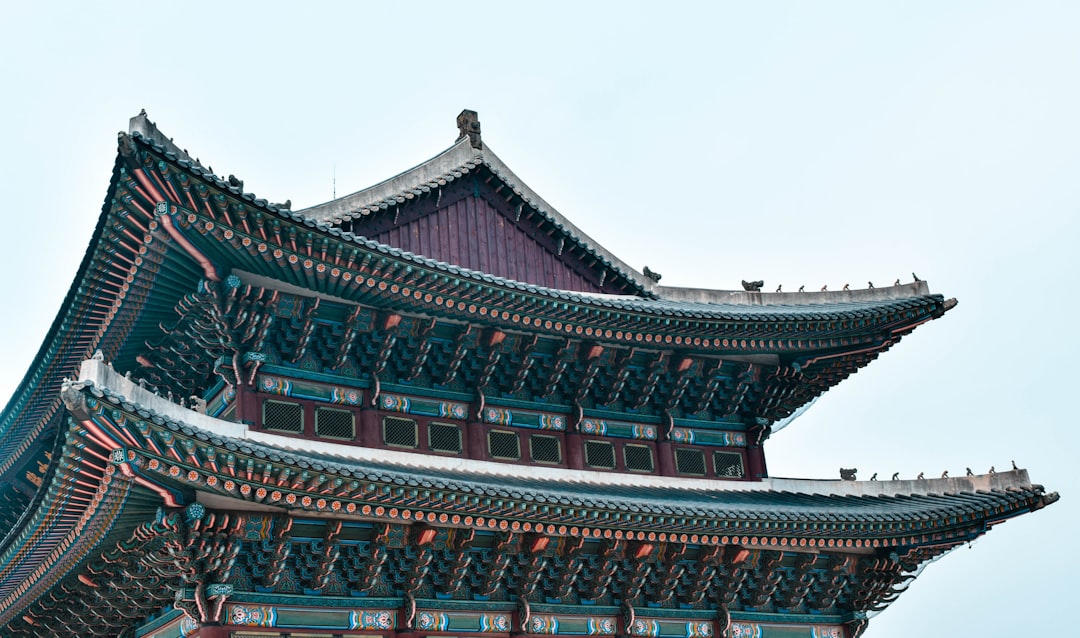
- Gyeongbokgung Palace (경복궁): The largest and most beautiful of Seoul's five grand palaces.
- Pro Tip: Catch the changing of the guard ceremony at Gwanghwamun Gate. It's daily at 10 AM and 2 PM (except Tuesdays).
- Location: 161 Sajik-ro, Jongno-gu, Seoul.
- Nearest Station: Gyeongbokgung Station (Line 3), Exit 5.
- Admission: ₩3,000 (approx. $2.20 USD). Consider renting a Hanbok (traditional Korean dress) nearby for free palace entry and amazing photos!
- Website: Gyeongbokgung Palace
- Bukchon Hanok Village (북촌한옥마을): Nestled between Gyeongbokgung and Changdeokgung palaces, this traditional village showcases beautiful Korean traditional houses (hanok).
- Pro Tip: Be respectful, as people still live here. The best views are from the main Bukchon-ro 11-gil street.
- Location: Gyedong-gil, Jongno-gu, Seoul.
- Nearest Station: Anguk Station (Line 3), Exit 2. About a 10-15 minute walk uphill.
- Cost: Free to wander.
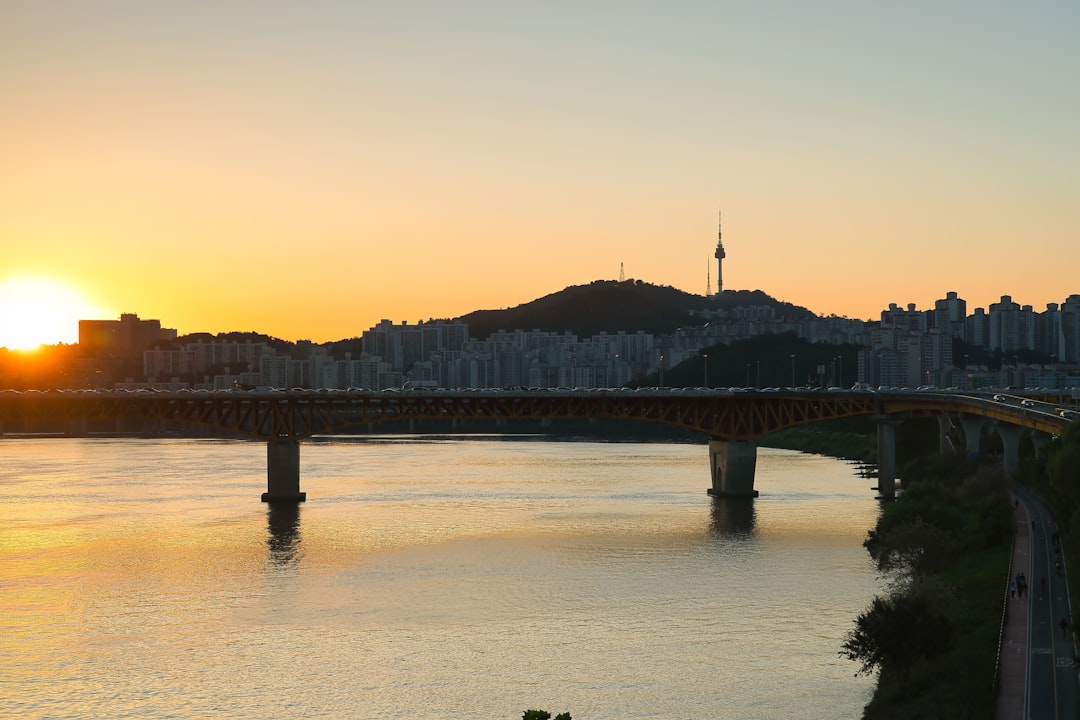
- N Seoul Tower (N서울타워): Offers panoramic views of the entire city, especially stunning at sunset or night.
- Pro Tip: Take the Namsan Cable Car up for a scenic experience (₩11,000 round trip, approx. $8 USD).
- Location: 105 Namsangongwon-gil, Yongsan-gu, Seoul.
- Nearest Station: Myeongdong Station (Line 4), Exit 3, then a 10-15 min walk to the cable car.
- Observation Deck Admission: ₩16,000 (approx. $12 USD).
- Dongdaemun Design Plaza (DDP) (동대문디자인플라자): An iconic, futuristic architectural marvel by Zaha Hadid. It's a cultural hub for fashion, design, and art exhibitions.
- Pro Tip: Visit at night when the DDP is beautifully lit up. There’s often a night market nearby.
- Location: 281 Eulji-ro, Jung-gu, Seoul.
- Nearest Station: Dongdaemun History & Culture Park Station (Line 2, 4, 5), Exit 1.
- Cost: Free to explore the exterior; exhibition prices vary.
Don't Skip These Local Experiences
These are the things that really make a trip special and give you a feel for local life. For your first time Seoul adventure, dive in!
- Wander through a Traditional Market: Skip the duty-free shops for a bit and head to Gwangjang Market (광장시장). It's an absolute must for foodies, teeming with stalls selling everything from bindaetteok (mung bean pancakes) to mayak gimbap (addictive mini gimbap).
-
Quick Info: Location: 88 Changgyeonggung-ro, Jongno-gu, Seoul. Hours: Daily, 9 AM - 11 PM (food stalls often open earlier/later). Nearest Station: Jongno 5-ga Station (Line 1), Exit 8. Why I love it: The energy is incredible, and the food is cheap and delicious. Grab a seat at a communal table and soak it all in.
-
- Experience a Jjimjilbang (찜질방): This traditional Korean bathhouse and spa experience is deeply ingrained in the culture. It's not just bathing; it's a social event, a place to relax, eat, and even sleep.
- My Recommendation: Siloam Sauna (실로암사우나) is a fantastic multi-story option with various saunas, hot tubs, and communal areas.
-
Quick Info: Location: 49 Jungnim-ro, Jungnim-dong, Jung-gu, Seoul. Hours: Open 24/7. Price: ₩12,000 - 18,000 (approx. $9-13 USD) depending on time/day. Nearest Station: Seoul Station (Line 1, 4, AREX), Exit 1, then a 5-minute walk.
- Take a Stroll Along Cheonggyecheon Stream (청계천): This beautifully restored urban stream is a tranquil oasis cutting through the heart of the city. It’s perfect for an evening walk.
- Pro Tip: Check out the various art installations and occasional cultural events held along the stream. It’s particularly lovely during the Lantern Festival in November.
- Location: Starts near Cheonggye Plaza, close to City Hall.
- Nearest Station: Gwanghwamun Station (Line 5), Exit 5, or City Hall Station (Line 1, 2), Exit 4.
- Cost: Free.
- Explore Yeonnam-dong (연남동): Adjacent to Hongdae, Yeonnam-dong offers a slightly more relaxed, artsy vibe with unique cafes, independent boutiques, and charming restaurants. It's a great escape from the main 홍대 bustle.
- Pro Tip: Walk along the Gyeongui Line Forest Park, an old railway line converted into a green space.
- Location: Yeonnam-dong, Mapo-gu, Seoul.
- Nearest Station: Hongik University Station (Line 2), Exit 3.
If you're staying in the Yeonnam-dong/Hongdae area, Twin Rabbit Guest House is a solid base for exploring this neighborhood. It offers a cozy, friendly atmosphere and keeps you right in the thick of things without being on the main noisy streets. It’s a great option for those who want a more local feel.
Getting Around Seoul: A Pro's Guide
Seoul's public transportation system is world-class, incredibly efficient, and shockingly affordable. Don't even think about renting a car for your first time Seoul trip unless you love traffic and parking headaches. The subway and buses will be your best friends.
It’s intuitive once you get the hang of it, and signs are usually in Korean, English, and sometimes Chinese/Japanese. Trust me, you'll be navigating like a local in no time.
T-Money Card Essentials
This rechargeable smart card is absolutely non-negotiable for seamless travel. Get one as soon as you land.
- Where to Buy: You can grab a T-Money card at any convenience store (GS25, CU, 7-Eleven, etc.) or vending machines in subway stations.
- Cost: The card itself costs ₩2,500 - ₩4,000 (approx. $1.80-$3 USD).
- How to Load: You can top it up at convenience stores, subway station vending machines, or even with cash at certain bus stops.
- Recommendation: Load ₩20,000-30,000 (approx. $15-22 USD) to start, then top up as needed.
- Benefits:
- Discounted Fares: You pay slightly less per ride compared to single-use tickets.
- Seamless Transfers: Free or discounted transfers between subway lines and buses within a certain timeframe (usually 30 minutes). Remember to tap OUT of the subway and bus to get the transfer benefit!
- Convenience: Use it for taxis and even some convenience store purchases.
Navigating the Subway & Buses
Honestly, Seoul’s subway map looks daunting, but it's incredibly user-friendly. Don't be afraid to try the buses either; they offer a great way to see the city.
- Subway System:
- Hours: Generally from 5:30 AM to midnight or 1 AM.
- Apps: Download Naver Map or KakaoMap. Google Maps is okay but doesn't have real-time public transport data for Korea. These local apps are essential for accurate directions and estimated travel times. Download KakaoMap here
- Exits: Pay close attention to subway exit numbers! Seoul stations often have 10+ exits, and picking the right one can save you a 15-minute walk.
- Bus System:
- Color-Coded: Blue buses are for main routes, Green for connecting routes, Red for express/intercity, and Yellow for circular routes downtown.
- Pro Tip: Buses can be faster than the subway for shorter distances within a single district, especially if your destination isn't directly on a subway line. They also offer great street views.
- How to Use: Tap your T-Money card when you get on and again when you get off. If you don't tap off, you might be charged the maximum fare.
Eating Your Way Through Seoul: What to Expect
Seoul is a food lover's paradise. Seriously, you could spend your entire first time Seoul trip just eating, and it would be a phenomenal trip. Forget the diet; just embrace the flavors! Eating out is a huge part of Korean culture, and there's something for every palate and budget.
From sizzling BBQ to comforting stews and vibrant street food, the culinary scene is diverse and exciting. Be adventurous and try everything!
Korean Food You Absolutely Must Try
Don't leave Seoul without trying these iconic dishes. These are staples for a reason.
- Korean BBQ (Samgyeopsal, 갈비): Sizzling pork belly (samgyeopsal) or marinated beef ribs (galbi) grilled right at your table. It's a communal, interactive meal.
- My Pick: Mapo Sutbul Galbi (마포숯불갈비) in the Mapo area (Mapo-gu) is legendary for its charcoal-grilled galbi.
-
Quick Info: Location: 27 Baekbeom-ro, Mapo-gu, Seoul. Price: ₩15,000-20,000 per serving (approx. $11-15 USD). Nearest Station: Gongdeok Station (Line 5, 6, AREX), Exit 8. About a 5-minute walk.
- Kimchi Jjigae (김치찌개): A hearty, spicy, and sour kimchi stew, often with pork or tuna. It's the ultimate comfort food.
- Pro Tip: Often served with a bowl of rice and various banchan (side dishes).
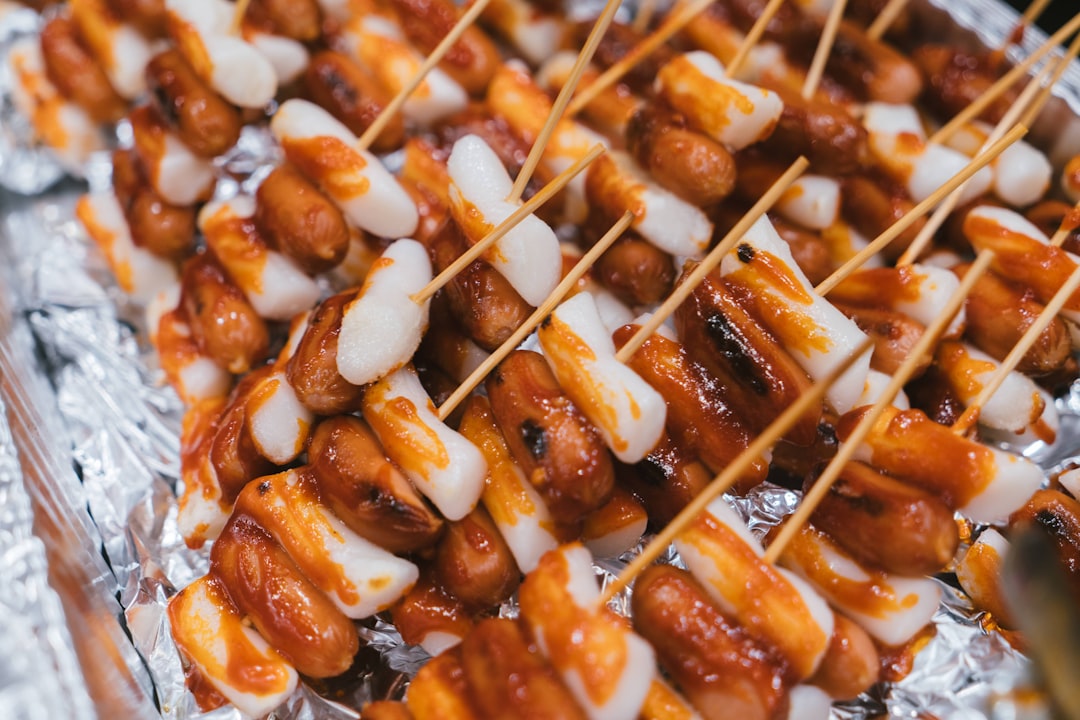
- Tteokbokki (떡볶이): Spicy stir-fried rice cakes. A quintessential Korean street food, chewy and addictive. You'll find it everywhere.
- My Pick: The street food stalls in Myeongdong or Gwangjang Market usually have excellent versions.
- Bibimbap (비빔밥): A visually stunning and delicious bowl of rice topped with sautéed vegetables, meat (optional), and a fried egg, mixed with gochujang (chili paste).
- Pro Tip: For a truly traditional experience, try dolsot bibimbap, served in a hot stone pot that crisps the rice at the bottom.
- Chimaek (치맥): The glorious combination of fried chicken (chi-ken) and beer (maek-ju). It's a national pastime, especially late at night.
- My Pick: Any local "Hof" (호프) or chicken chain like Kyochon Chicken or BHC Chicken. Order it for delivery to your accommodation for the full experience.
Finding the Best Eats: Local Spots vs. Tourist Traps
Here’s the thing: some tourist-heavy areas have decent food, but the real gems are often hidden away. For your first time Seoul visit, balance exploring popular areas with seeking out authentic local eateries.
- Avoid: Restaurants with English menus prominently displayed outside in major tourist zones like the main Myeongdong streets, unless they're specific chains you've researched. They often cater to tourists with inflated prices and diluted flavors.
- Seek Out:
- Smaller Alleys: Wander down side streets; you’ll often find incredible family-run restaurants.
- Lunch Specials (점심특선): Many restaurants offer fantastic lunch deals, especially in business districts like Gangnam or Jongno.
- Local Recommendations: If you know anyone local, ask them where they eat. Or, look for places packed with Korean diners.
- Naver/Kakao Maps: Use these apps to find restaurants with high ratings and recent reviews. The photo features are super helpful for ordering.
- Street Food Stalls: Don't be shy! Street food is safe, delicious, and a huge part of the culture.
Budgeting for Your First Time Seoul Trip
Seoul can be as affordable or as luxurious as you want it to be. For your first time Seoul adventure, it’s good to have a general idea of costs. Public transport and food are generally very budget-friendly, while accommodation can vary greatly.
Planning ahead and making smart choices can help you stretch your won further without feeling like you're missing out. Here’s a rough breakdown of what to expect.
Daily Costs Breakdown
These are general estimates for a mid-range traveler. You can definitely go cheaper (hostels, convenience store meals) or much more expensive (luxury hotels, fine dining).
- Accommodation:
- Hostel/Guesthouse: ₩30,000 - ₩60,000 (approx. $22-45 USD) per night for a dorm bed or basic private room.
- Mid-range Hotel: ₩80,000 - ₩150,000 (approx. $60-110 USD) per night.
- Upscale Hotel: ₩200,000+ (approx. $150+ USD) per night.
- Food:
- Street Food/Convenience Store: ₩5,000 - ₩10,000 (approx. $4-7 USD) per meal.
- Casual Restaurant Meal (Kimchi Jjigae, Bibimbap): ₩8,000 - ₩15,000 (approx. $6-11 USD) per person.
- Korean BBQ/Chimaek: ₩15,000 - ₩30,000 (approx. $11-22 USD) per person, depending on how much you eat/drink.
- Coffee/Cafe: ₩4,000 - ₩7,000 (approx. $3-5 USD).
- Transportation:
- Subway/Bus (single ride with T-Money): ₩1,250 - ₩1,450 (approx. $0.90-1.10 USD).
- Daily Total: ₩5,000 - ₩10,000 (approx. $4-7 USD) if using public transport extensively.
- Activities/Entrance Fees:
- Palaces: ₩3,000 (approx. $2.20 USD).
- N Seoul Tower: ₩16,000 (approx. $12 USD).
- Museums/Galleries: Often free or ₩5,000-15,000 (approx. $4-11 USD).
- Jjimjilbang: ₩12,000-18,000 (approx. $9-13 USD).
- Estimated Daily Total (excluding accommodation): ₩40,000 - ₩70,000 (approx. $30-50 USD) for a moderate budget.
Smart Ways to Save Money
Even for your first time Seoul trip, you can be savvy with your cash. A little planning goes a long way here.
- Eat Local: Prioritize street food and local eateries over fancy restaurants or international chains. Look for "백반" (Baekban) signs, which indicate a set meal with rice, soup, and many side dishes, offering great value.
- Utilize Public Transport: Stick to the subway and buses. Taxis add up quickly, especially during peak hours.
- Look for Free Activities: Many major attractions like Cheonggyecheon Stream, Seoul Forest, and numerous public parks are free. Most museums have free entry days or specific free exhibition areas.
- Stay in Guesthouses/Hostels: Especially in areas like Hongdae or Sinchon, you can find very clean and friendly guesthouses that are much more affordable than hotels.
- Bring a Reusable Water Bottle: Tap water is generally safe to drink in Seoul, and many places have water dispensers. Save money and plastic!
- Shop at Local Markets: For souvenirs or snacks, local markets like Namdaemun or Gwangjang are much more authentic and usually cheaper than tourist shops.
Pro Tips from a Local
After five years here, I’ve picked up a few things that can really enhance your first time Seoul experience. Don't skip these!
- Download Essential Apps BEFORE You Arrive: Naver Map (or KakaoMap) for navigation, Papago for translation, and KakaoTalk for messaging (everyone uses it). Seriously, Google Maps is mostly useless for public transport here.
- Learn Basic Korean Phrases: A simple "Annyeonghaseyo" (hello), "Kamsahamnida" (thank you), and "Juseyo" (please give me) goes a long way. Locals appreciate the effort.
- Carry Cash for Small Purchases: While credit cards are widely accepted, smaller street food stalls, local markets, or some independent shops might prefer or only accept cash.
- Embrace the Cafe Culture: Seoul has an incredible cafe scene, from themed cafes to tranquil spaces. It's a great way to relax, people-watch, and refuel. Don't just grab a coffee; enjoy the experience.
- Dress in Layers: Seoul's weather can be unpredictable, especially during spring and autumn. Layering helps you adapt to indoor heating/AC and outdoor temperatures.
- Always Carry Your Passport: Officially, tourists are required to carry their passports at all times. You'll also need it for tax refunds at major department stores or duty-free shops.
- External Link: Korea Tourism Organization - Basic Information
Frequently Asked Questions
Q: How many days should I plan for my first time Seoul trip?
A: For your first time in Seoul, I'd recommend a minimum of 5-7 full days to experience the highlights without feeling rushed. This allows you to explore a few different neighborhoods, visit key historical sites, and thoroughly enjoy the food scene. Add more days if you plan on day trips outside the city.
Q: Is Seoul safe for solo travelers?
A: Absolutely! Seoul is one of the safest major cities in the world, even for solo female travelers. Violent crime is rare, and public transport runs late and is well-lit. Just be mindful of your belongings in crowded areas, as you would anywhere else.
Q: What's the best time of year to visit Seoul?
A: The best times to visit Seoul are spring (April-May) for cherry blossoms and mild weather, or autumn (October-November) for stunning fall foliage and crisp, clear skies. Summer (June-August) can be hot and humid with monsoon rains, while winter (December-March) is very cold but offers festive decorations and winter sports nearby.
Q: Do I need to learn Korean to visit Seoul?
A: While learning some basic Korean phrases is always helpful and appreciated, you can absolutely navigate Seoul without speaking Korean. English is widely understood in tourist areas, major subway stations, and many younger people speak it. Translation apps like Papago are incredibly effective.
Q: How much should I budget for a 7-day first time Seoul trip (excluding flights)?
A: For a comfortable 7-day first time Seoul trip (excluding international flights), a budget of roughly ₩800,000 - ₩1,200,000 (approx. $600-$900 USD) per person is reasonable. This includes mid-range accommodation, varied dining experiences, transport, and some activities. You could definitely do it for less with hostels and street food.
Wrap Up
There you have it – your comprehensive guide to planning an unforgettable first time Seoul trip! Get ready for an adventure that will surprise, delight, and leave you craving more of this incredible city.