Seoul Travel Mistakes You Should Avoid
Published on April 3, 2026 by TwinRabbit Team
You’ve planned your dream trip to South Korea, but are you ready to navigate Seoul like a pro? Avoid these common Seoul travel mistakes to ensure your visit is smooth, authentic, and truly unforgettable.
In This Guide:
- Don't Underestimate Seoul's Scale: Mastering Public Transport
- Dining Like a Local: Avoiding Food Faux Pas (and Other Seoul Travel Mistakes)
- Money, Shopping, and Connectivity: Smooth Sailing in Seoul
- Culture & Communication: Respectful Roaming
- Beyond the Mainland: Uncovering Seoul's Hidden Gems
- Pro Tips
- Frequently Asked Questions
- Wrap Up
Don't Underestimate Seoul's Scale: Mastering Public Transport
Alright, first things first: Seoul is HUGE. This isn't a city you can just "walk everywhere" in, and underestimating its sheer size is one of the biggest Seoul travel mistakes visitors make. Trust me, five years here and I still discover new corners.
Getting Around: Your T-Money Card is Your Best Friend
Don't even think about relying on single-use subway tickets or fumbling for cash on the bus. Your top priority upon arrival should be getting a T-Money card. It’s rechargeable and works on all subways, buses, and even some taxis.
You can buy and top it up at any convenience store (GS25, CU, 7-Eleven) or at machines inside subway stations. Cards usually cost about ₩3,000 (approx. $2.50 USD) and then you load it with whatever amount you need. A typical subway ride costs around ₩1,250 (approx. $1 USD).
Quick Info:
- Purchase: Convenience stores, subway stations
- Cost: ₩3,000 for the card, then load as needed
- Usage: Subway, bus, taxi
- Pro Tip: Keep at least ₩10,000 (approx. $8 USD) loaded at all times.
Navigating the Subway: It's Easier Than You Think
Seoul's subway system is incredibly efficient and well-signposted in English. Seriously, it's one of the best in the world. The biggest mistake here is not using it! Google Maps is surprisingly accurate for subway directions, but I personally swear by apps like Naver Map or KakaoMap for their real-time bus information and more granular local detail.
Download one of these before you arrive. Knowing your exact exit number is key, as some stations have dozens and can span massive underground shopping areas. Don't be that person aimlessly wandering – check your exit!
The Bus System: Don't Be Scared!
Many tourists shy away from the buses, and that's a mistake. They can often get you closer to your exact destination, especially in areas not directly served by the subway. Yellow buses are local and short-distance, green buses connect local and main lines, and blue buses cover longer distances across the city.
Just tap your T-Money card when you get on and again when you get off. If you transfer from a subway within 30 minutes, you usually get a free transfer! It’s all automatic with the T-Money card. You don't need to speak Korean to ride the bus, just know your route number.
Dining Like a Local: Avoiding Food Faux Pas (and Other Seoul Travel Mistakes)
Korean food is amazing, but there are definitely some unwritten rules. Falling into tourist traps or missing out on authentic experiences are classic Seoul travel mistakes. Let's make sure that doesn't happen to you.
Don't Just Eat at Myeongdong Street Food Stalls
Okay, Myeongdong street food is fun for a first-timer, but honestly, it's often overpriced and caters specifically to tourists. You'll find much better and more authentic street food experiences elsewhere. Head to Gwangjang Market (Jongno 5-ga Station, Line 1, Exit 8) for a real feast. It’s vibrant, bustling, and the food is incredible.
Quick Info: Gwangjang Market
- Must-try: Bindaetteok (mung bean pancake), Mayak Gimbap (addictive mini gimbap), Tteokbokki (spicy rice cakes)
- Prices: Most dishes ₩5,000-₩10,000 (approx. $4-8 USD)
- Address: 88 Changgyeonggung-ro, Jongno 4(sa)-ga, Jongno-gu, Seoul
- Nearest Station: Jongno 5-ga Station (Line 1), Exit 8
Tipping is NOT a Thing (Seriously, Don't Do It)
This is a big one. Tipping is not customary in Korea and can sometimes even be seen as rude or confusing. Service charges are usually included in higher-end restaurants, and for everything else, the listed price is what you pay. Don't worry about it, just enjoy the excellent service!
Ordering and Sharing: The Korean Way
Many Korean dishes, especially BBQ, hot pots (jjigae), and certain side dishes (banchan), are meant for sharing. Don't try to order one huge dish per person unless it's a personal bowl like bibimbap or a dedicated single-serving soup. It’s common for a table of two to order two main dishes (e.g., two servings of samgyeopsal) and share the accompanying banchan.
Also, when at a Korean BBQ place, you usually order by number of servings, not specific cuts of meat. So, "Samgyeopsal, i-inbun-juseyo" means "Two servings of pork belly, please." 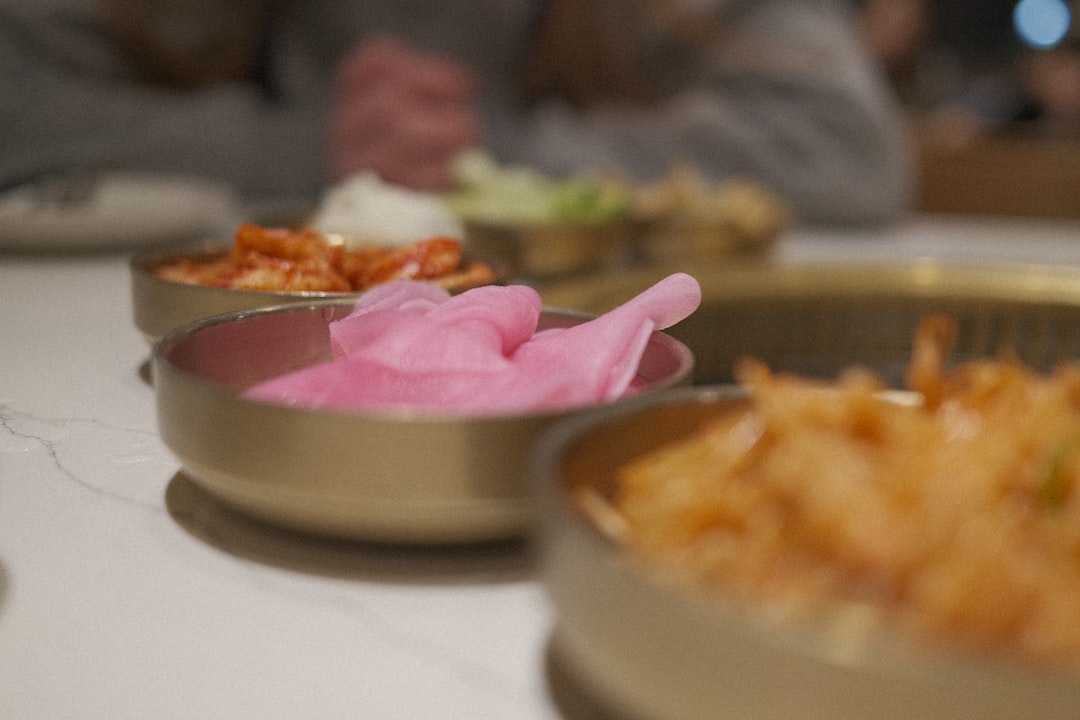
The Kimchi Rule: It's Refillable!
Those small plates of kimchi and other banchan that magically appear on your table? They're usually free and endlessly refillable. Don't be shy to ask for more! Just say "Juseyo" (주세요) while pointing to the dish, or "Kimchi, juseyo." This isn't common in Western dining, so some tourists miss out.
Street Food vs. Market Food:
| Feature | Myeongdong Street Food | Gwangjang Market Food |
|---|---|---|
| Vibe | Tourist-heavy, flashy, quick bites | Local, authentic, bustling, sit-down stalls |
| Price | Often inflated for tourists | More reasonable, local prices |
| Authenticity | Can be less authentic | Very authentic, traditional |
| Must-Try | Tteokbokki, Hotteok, Grilled Cheese | Bindaetteok, Mayak Gimbap, Yukhoe (raw beef) |
Money, Shopping, and Connectivity: Smooth Sailing in Seoul
Money management, knowing where to shop, and staying connected are crucial. Making the wrong choices here can lead to avoidable Seoul travel mistakes. Let's streamline your experience.
Don't Rely Solely on Cash (But Have Some Ready)
While Korea is highly digitized, with credit cards (Visa, Mastercard often preferred) accepted almost everywhere, it's a mistake to completely ditch cash. Some smaller street food stalls, independent shops, or traditional markets might be cash-only. Always keep about ₩50,000-₩100,000 (approx. $40-80 USD) in your wallet for emergencies or these specific situations.
ATMs are widely available in convenience stores and banks, but check if your card has international fees. Look for ATMs with "Global ATM" signs.
Duty-Free vs. Tax Refund: Know the Difference
Many tourists get confused here. Duty-free shops (like Lotte Duty Free, Shilla Duty Free) are primarily at airports or large downtown locations. You buy items without tax, but usually collect them at the airport upon departure. For regular shopping in department stores or designated shops, you can get a tax refund.
Look for "Tax Free" or "Tax Refund" signs. For purchases over ₩30,000 (approx. $24 USD) at participating stores, you can get a form. You claim this refund at the airport before you leave, either at kiosks or specific counters. Don't forget to keep your receipts! Learn more about tax refunds in Korea here. 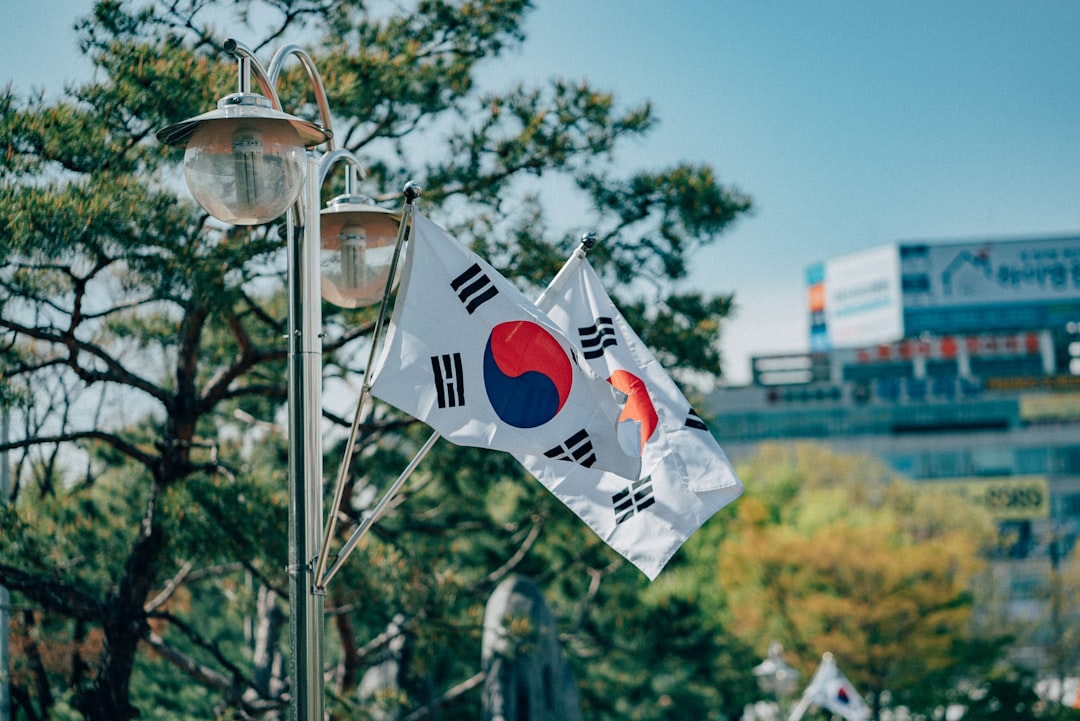
Connectivity: Don't Skimp on Data
Relying on spotty public Wi-Fi is a recipe for disaster and one of the most frustrating Seoul travel mistakes. Navigating, translating, and staying in touch all require reliable data. Your best options are:
- SIM Card: Buy one at Incheon Airport (ICN) or major telecom stores (KT, SKT, LG U+). Prices vary, but a 5-day unlimited data SIM is typically around ₩27,500 (approx. $22 USD).
- Portable Wi-Fi Egg/Router: Rent one at the airport. This is great for groups as multiple devices can connect. Costs around ₩5,500-₩7,700 per day (approx. $4.50-6.50 USD).
- eSIM: If your phone supports it, this is often the most convenient. Purchase online before you arrive and activate it instantly.
Pro tip: Download Naver Map or KakaoMap and Google Maps. Google Maps is great for walking and public transport in cities, but Naver/Kakao are superior for real-time bus info and local businesses.
Culture & Communication: Respectful Roaming
Navigating cultural nuances can be tricky, but avoiding basic faux pas will make your trip much more pleasant. Overlooking these is another category of Seoul travel mistakes that can easily be avoided.
Don't Assume Everyone Speaks English
While many younger Koreans and those in tourist areas speak some English, it's not universal. Don't assume. Always start with a polite "Annyeonghaseyo" (Hello) and "Gamsahamnida" (Thank you). Learning a few basic phrases goes a long way.
Have a translation app ready on your phone (Google Translate, Papago are excellent). Using a translator shows effort and respect, even if your pronunciation isn't perfect.
Footwear Faux Pas: Know When to Take Off Your Shoes
This is a big one! When entering someone's home, certain traditional restaurants (especially those with floor seating), temples, or guesthouses, you MUST take off your shoes. Look for a shoe rack by the entrance or other shoes already neatly lined up. It’s a sign of respect and cleanliness.
Wearing shoes indoors where you shouldn't is a significant cultural blunder. Always wear clean socks! 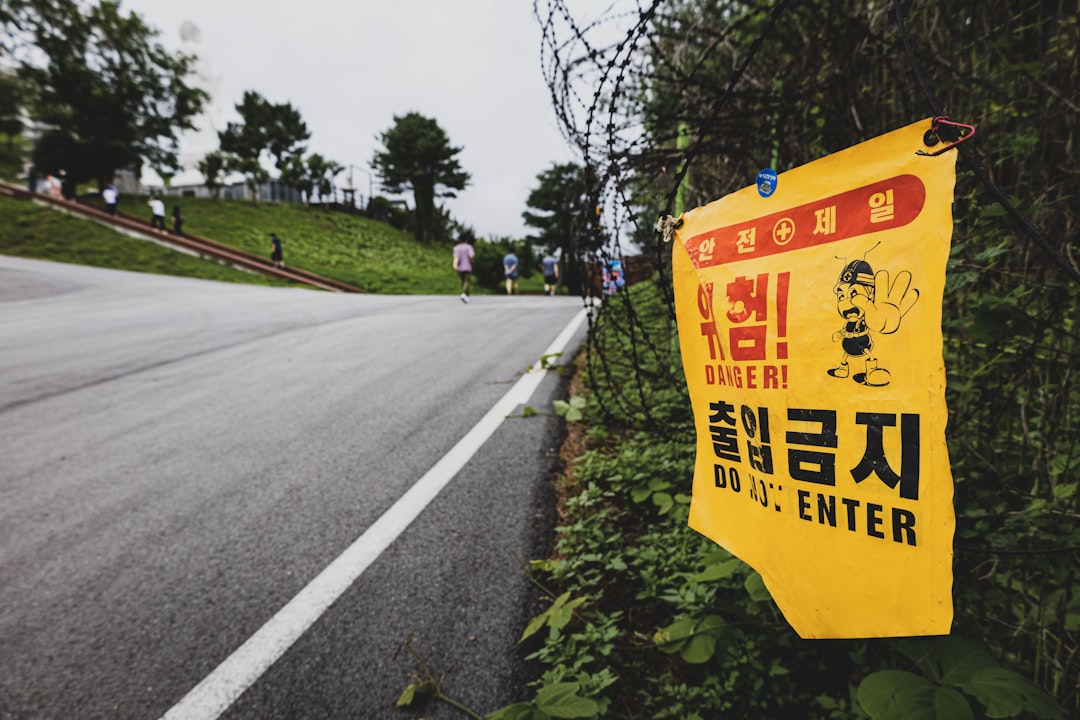
Public Etiquette: Keep the Volume Down (Mostly)
Koreans are generally quite reserved in public spaces. This means:
- Subway/Bus: Keep conversations low, avoid loud phone calls, and definitely don't play music without headphones.
- Restaurants: While lively, avoid overly boisterous behavior.
- Personal Space: Respect it. Koreans often prefer more distance than some Western cultures.
- Elderly: Always offer your seat to an elderly person on public transport. It's expected.
One exception: It's totally fine to slurp your noodles loudly! It's actually a sign you're enjoying your food.
Payment Courtesy: Cards First
When paying in a store or restaurant, it's common to place your card or cash on the tray provided, rather than handing it directly to the cashier. The cashier will then pick it up. It’s a small gesture, but it’s the standard practice.
Beyond the Mainland: Uncovering Seoul's Hidden Gems
Focusing solely on the major tourist hotspots is a classic Seoul travel mistake. While places like Gyeongbokgung Palace and Namsan Tower are iconic, there's so much more to Seoul. Branch out a little!
Don't Miss the Neighborhood Vibes
Seoul is a city of distinct neighborhoods, each with its own character. Don't just stick to Hongdae, Myeongdong, and Gangnam. Explore:
- Seongsu-dong: The "Brooklyn of Seoul," full of converted factories, chic cafes, and artisan shops. (Seongsu Station, Line 2). Great for unique fashion and coffee.
- Ikseon-dong Hanok Village: A charming labyrinth of renovated traditional Korean houses (hanok) now housing trendy cafes, restaurants, and boutiques. (Jongno 3-ga Station, Lines 1, 3, 5). Perfect for an afternoon stroll.
- Mangwon-dong: A more local, laid-back area known for Mangwon Market (a fantastic traditional market) and quirky cafes. (Mangwon Station, Line 6). A taste of everyday Seoul life.
Temples and Tranquility: Away from the Crowds
While Bongeunsa Temple is beautiful, it can get crowded. For a more serene experience, consider Jogyesa Temple (Jonggak Station, Line 1, Exit 2), right in the heart of the city but feels like an oasis. Or, venture slightly out to Bukhansan National Park for stunning hiking trails and hidden temples amidst nature. You can reach the park easily by subway and bus.
Quick Info: Jogyesa Temple
- Address: 55 Ujeongguk-ro, Jongno-gu, Seoul
- Nearest Station: Jonggak Station (Line 1), Exit 2
- Highlights: Beautiful vibrant temple in the city center, often hosts cultural events.
- Hours: Open daily, generally 24/7 for exterior viewing; temple halls have specific hours.
Coffee Culture: Beyond the Chain Stores
Seoul has an insane coffee culture, and it’s a shame to only visit Starbucks. Each neighborhood boasts unique, aesthetically pleasing, and high-quality independent cafes. Skip the major chains at least once and find a hidden gem. Search "Seoul cafes" on Instagram or Naver Map for local recommendations. Explore cafes in Seoul on Visit Seoul.
Pro Tips
- Download Offline Maps: Even with a SIM, having an offline map (like Google Maps) can be a lifesaver if you lose signal or data. Mark your hotel and key destinations.
- Carry a Portable Charger: Your phone will be your best friend for navigation, translation, and photos. A fully charged power bank is non-negotiable for a full day of exploring Seoul.
- Learn Basic Korean Phrases: Even "Annyeonghaseyo" (hello), "Gamsahamnida" (thank you), and "Juseyo" (please give me) will open doors and show respect.
- Use Public Restrooms: They are generally very clean and well-maintained in subway stations, department stores, and even many parks. Don't hesitate to use them.
- Don't Over-Schedule: Seoul has so much to offer. Trying to cram too much into one day will lead to exhaustion and not truly enjoying anything. Pick a few key areas or activities for each day.
Frequently Asked Questions
Q: Is Seoul safe for solo travelers?
A: Absolutely! Seoul is one of the safest major cities in the world, even at night. Violent crime is extremely rare, and public transport runs late. Just exercise general caution as you would in any city.
Q: How much should I budget for 3 days in Seoul?
A: A moderate budget for 3 days, excluding flights and major shopping, would be around ₩150,000-₩250,000 (approx. $120-200 USD) per person. This covers accommodation, food, transport, and some activities. You can do it cheaper, but this is comfortable.
Q: What's the best time of year to visit Seoul?
A: Spring (April-May) for cherry blossoms and autumn (September-October) for beautiful fall foliage offer the best weather. Summers (June-August) are hot and humid, and winters (December-February) are very cold but often sunny.
Q: Are there any specific scams or tourist traps to watch out for in Seoul?
A: Scams are rare in Seoul. The main "trap" is often just overpaying for things in highly touristy areas (like Myeongdong street food or souvenir shops near palaces). Always check prices, and if something feels too good to be true, it probably is.
Q: Is it okay to drink tap water in Seoul?
A: Yes, tap water in Seoul is perfectly safe to drink and is of excellent quality. Many public places also have water fountains. Don't waste money buying bottled water unnecessarily!
Wrap Up
There you have it – my guide to sidestepping common Seoul travel mistakes. Go forth, explore, eat amazing food, and have the most incredible time in this dynamic city!