Seoul vs Busan: How to Choose Your Korean Trip
Published on March 27, 2026 by TwinRabbit Team
Wondering whether to dive into the bustling metropolis of Seoul or unwind by the beach in Busan? Choosing between Seoul vs Busan for your Korean adventure truly depends on what kind of trip you're seeking, as each city offers a uniquely distinct travel experience tailored to different preferences. Both are incredible, but they offer completely different vibes.
In This Guide:
- Deciding Your Vibe: Seoul vs Busan
- Cultural Immersion & History: City vs Coast
- Foodie Paradise: What to Eat Where
- Shopping & Entertainment: Bustle vs Breeze
- Nature & Scenery: Urban Oasis vs Coastal Retreat
- Nightlife & Social Scene
- Logistics: Getting Around & Between Cities
- Twin Rabbit Connection: My Seoul Basecamp
- Pro Tips for Your Korea Trip
- Frequently Asked Questions
- Final Verdict: Is it Seoul or Busan for You?
Deciding Your Vibe: Seoul vs Busan
Here's the thing about visiting Korea: everyone has a preference, but it often comes down to the big city experience versus the laid-back coastal charm. Seoul is the vibrant, fast-paced heart of Korea, a global city where tradition meets cutting-edge modernity at every turn. It’s perfect if you crave endless activities, diverse neighborhoods, and a non-stop energy.
Busan, on the other hand, offers a refreshing contrast. It’s Korea's second-largest city, but it feels much more relaxed, with stunning beaches, fresh seafood, and a mountainous backdrop. If you're looking to slow down, enjoy ocean views, and experience a different side of Korean culture, Busan is probably your jam. Trust me, I've spent countless weekends escaping Seoul's hustle for Busan's calm.
| Feature | Seoul | Busan |
|---|---|---|
| Vibe | Bustling, modern, historical, dynamic | Relaxed, coastal, artistic, scenic |
| Landscape | Mountains, Han River, urban sprawl | Beaches, mountains, port city |
| Culture | Palaces, museums, K-Pop, high fashion | Temples, seafood, markets, artistic villages |
| Food Focus | Diverse, trendy, international, street food | Seafood, local specialties, more traditional |
| Nightlife | High-energy, clubs, bars, diverse options | Casual, beachfront bars, local pubs |
| Budget | Generally higher | Slightly more affordable |
Cultural Immersion & History: City vs Coast
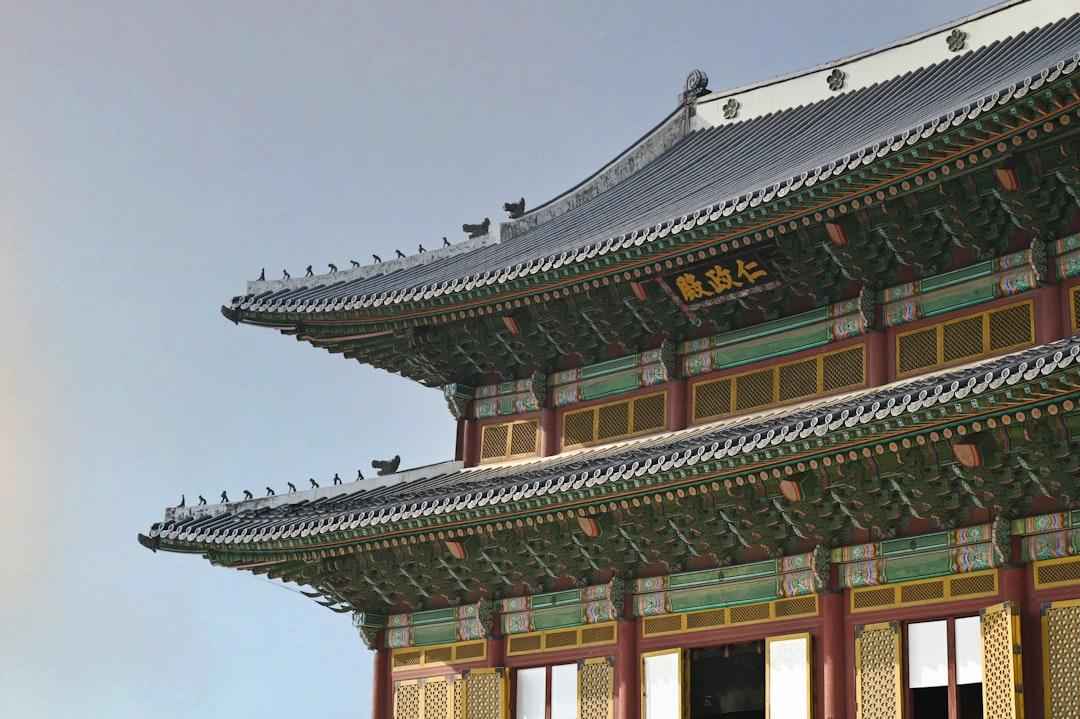
When it comes to history and culture, both cities have incredible offerings, but they tell very different stories. Seoul is where you’ll find the grandest Joseon Dynasty palaces like Gyeongbokgung and Changdeokgung, meticulously restored and truly awe-inspiring. You can spend days exploring traditional hanok villages like Bukchon, feeling like you've stepped back in time.
The city also boasts world-class museums, from the National Museum of Korea to the War Memorial of Korea, offering deep dives into the nation's rich and often turbulent past. Walking through these historical sites, you really get a sense of Korea's heritage. Don't skip these; they are essential for understanding the country.
Busan's historical narrative is distinct, shaped by its role as a port city and a refuge during the Korean War. Gamcheon Culture Village, often called the "Machu Picchu of Korea," is a colorful testament to this history, with its vibrant murals and quirky art installations transforming former refugee housing. It’s less about grand palaces and more about resilient communities.
You’ll also find stunning temples nestled in nature, like Beomeosa Temple in the mountains or the iconic Haedong Yonggungsa Temple, dramatically set right by the sea. Visiting these temples offers a more serene, spiritual cultural experience than Seoul's bustling historical centers. Honestly, the ocean backdrop at Yonggungsa is breathtaking.
Quick Info: Gyeongbokgung Palace Address: 161 Sajik-ro, Jongno-gu, Seoul Hours: 9 AM - 5 PM (closed Tuesdays) Price: ₩3,000 (approx. $2.20 USD) Nearest Station: Gyeongbokgung Station (Line 3), Exit 5
Quick Info: Haedong Yonggungsa Temple Address: 86 Yonggung-gil, Gijang-eup, Gijang-gun, Busan Hours: 5 AM - 7 PM (daily) Price: Free Nearest Station: Osiria Station (Donghae Line), then a short bus ride (Bus 100, 181, 182) or taxi.
Foodie Paradise: What to Eat Where
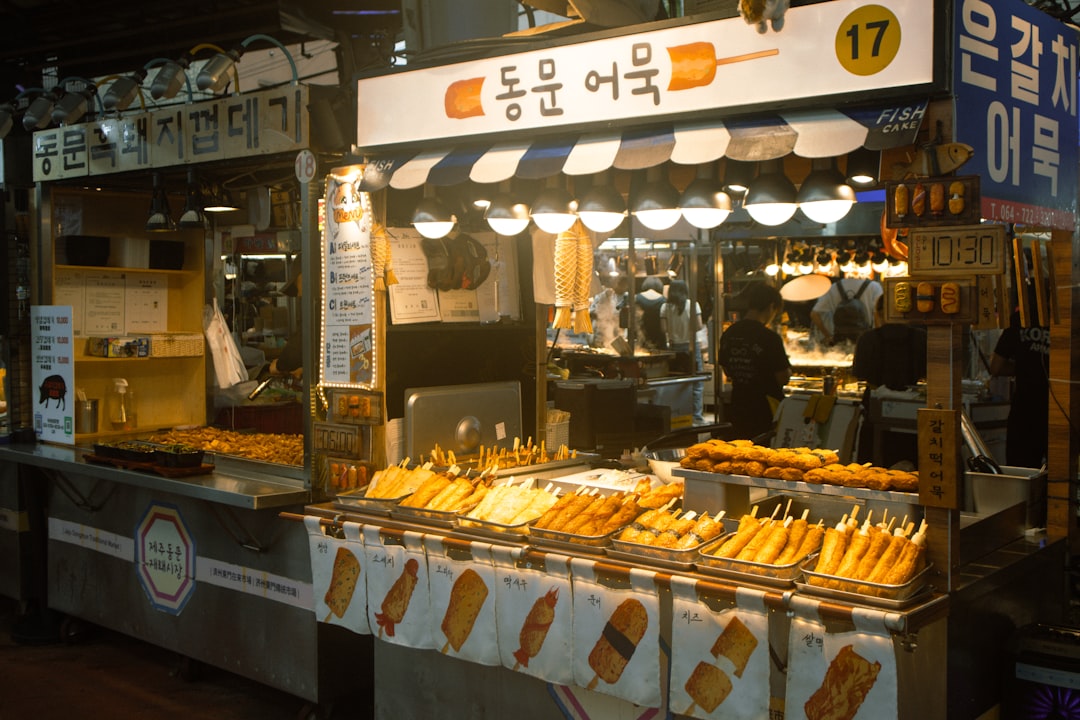
This is where the Seoul vs Busan debate gets really delicious. Seoul is a global culinary hub, a foodie paradise with everything from Michelin-starred restaurants to bustling street food alleys. You can find any cuisine imaginable here, alongside traditional Korean dishes done to perfection. Myeongdong and Gwangjang Market are iconic for street food.
Think Tteokbokki, Gyeranppang, Kimchi Mandu – you name it. For more upscale dining, areas like Gangnam or Hongdae offer endless trendy cafes and restaurants. I love exploring new cafes in Yeonnam-dong; the coffee scene is unmatched.
Busan, by contrast, is renowned for its fresh seafood and unique local specialties. Given its coastal location, you absolutely have to try the sashimi (hoe), especially at Jagalchi Fish Market. It’s an experience in itself, choosing your fresh catch and having it prepared on the spot. Don't skip this!
Other Busan must-tries include Dwaeji Gukbap (pork soup with rice), Ssiat Hotteok (sweet pancake with seeds), and Milmyeon (cold wheat noodles). These dishes are distinctly Busan and harder to find authentically in Seoul. The flavors are hearty and comforting, reflecting the city’s working-class roots. A bowl of Dwaeji Gukbap will cost you around ₩8,000-10,000 (approx. $6-7.50 USD).
Shopping & Entertainment: Bustle vs Breeze
If shopping is your cardio, Seoul is your ultimate playground. From the luxury boutiques of Cheongdam-dong and Apgujeong Rodeo Street to the massive underground shopping centers like COEX Mall and Gangnam Station, you can find anything. Dongdaemun Design Plaza (DDP) is a fashion mecca, especially for wholesale and late-night shopping.
Trendy fashion districts like Hongdae and Ewha Womans University area offer unique clothing and cosmetics at more student-friendly prices. And for K-pop fans, the sheer number of entertainment agencies and merchandise stores is overwhelming. You'll definitely want to set aside a budget for shopping here.
Busan offers a more relaxed shopping experience, focusing on local markets and department stores rather than sprawling fashion districts. Nampo-dong is the main shopping area, with BIFF Square offering street food and some fashion. Gukje Market is famous for its vast array of goods, from electronics to vintage items, reflecting its history as a post-war trading hub.
Centum City, home to Shinsegae Department Store, is an impressive modern complex, boasting the world's largest department store. It's great for high-end brands and entertainment like a spa and ice rink. However, the overall shopping vibe is less intense than Seoul's.
Nature & Scenery: Urban Oasis vs Coastal Retreat
Seoul, despite its concrete jungle reputation, has surprising pockets of nature. The Han River is a central feature, with extensive parks and cycling paths perfect for an afternoon escape. Namsan Mountain, with N Seoul Tower, offers incredible city views and hiking trails right in the middle of the city. Bukhansan National Park is also easily accessible by subway, offering serious hiking adventures just an hour from downtown.
These green spaces provide a much-needed respite from the urban hustle. Exploring the smaller parks like Seoul Forest or Olympic Park offers a different perspective on the city. Honestly, Seoul is greener than most people expect.
Busan’s natural beauty is undeniable and woven directly into its identity. Its most famous draw is its beautiful beaches – Haeundae Beach and Gwangalli Beach being the most popular. Picture sandy shores, vibrant cafes, and sparkling ocean views. They’re perfect for relaxing, swimming, or enjoying a seaside stroll.
The city is also surrounded by mountains, offering fantastic hiking opportunities with breathtaking coastal vistas. Igidae Park and Taejongdae Park are particularly stunning, providing dramatic cliffside views and lush forests. If you love the ocean and mountain combination, Busan clearly wins this round.
Nightlife & Social Scene
Seoul’s nightlife is legendary, catering to every taste imaginable. From the pulsating clubs of Gangnam, where you can dance until dawn, to the trendy bars and live music venues of Hongdae and Sinchon, there’s always something happening. Itaewon offers a diverse international scene, with unique bars and lounges.
Even quiet neighborhoods have their own local 'hofs' (pubs) where you can grab a beer and fried chicken. The sheer variety and energy are incredible. A typical night out can range from a sophisticated cocktail bar to an all-night karaoke session (noraebang).
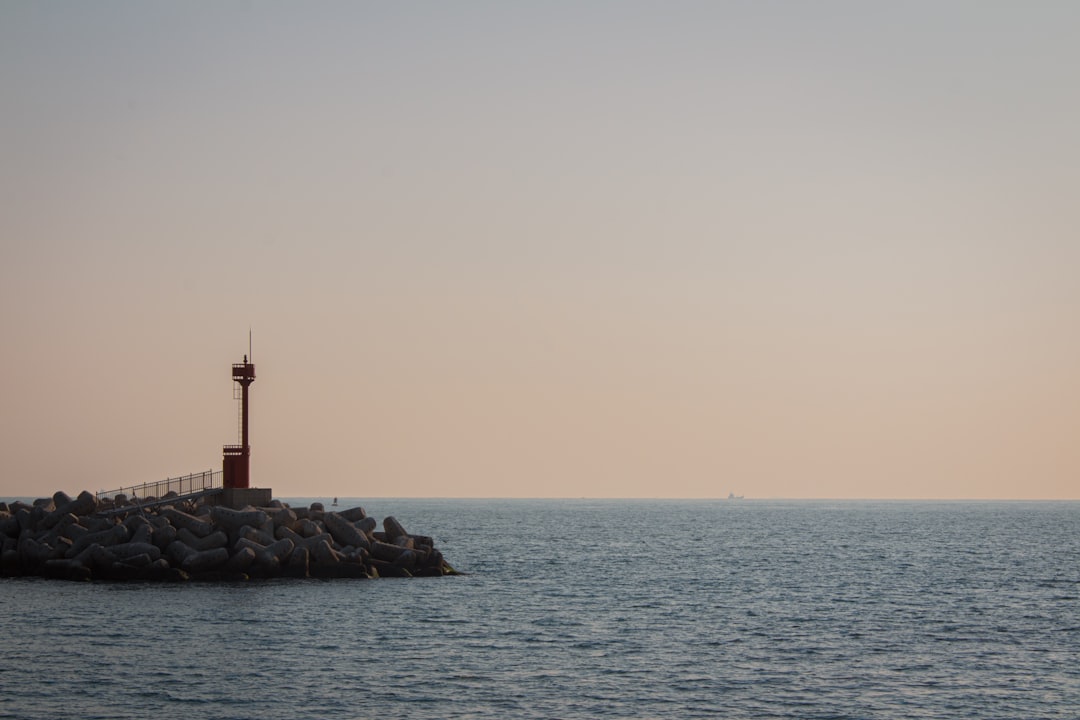
Busan's nightlife is more laid-back but still vibrant, especially around its beaches. Gwangalli Beach transforms at night with its impressive LED drone shows and beachfront bars offering a relaxed atmosphere. Haeundae also has its share of pubs and clubs, though generally less intense than Seoul's.
Nampo-dong and Seomyeon are central areas with plenty of local pubs, karaoke rooms, and casual eateries that stay open late. While you won't find the same mega-club scene as Seoul, Busan offers a friendly, approachable atmosphere for a night out, often with ocean breezes. The vibe is definitely less "go hard or go home" and more "enjoy good company by the sea."
Logistics: Getting Around & Between Cities
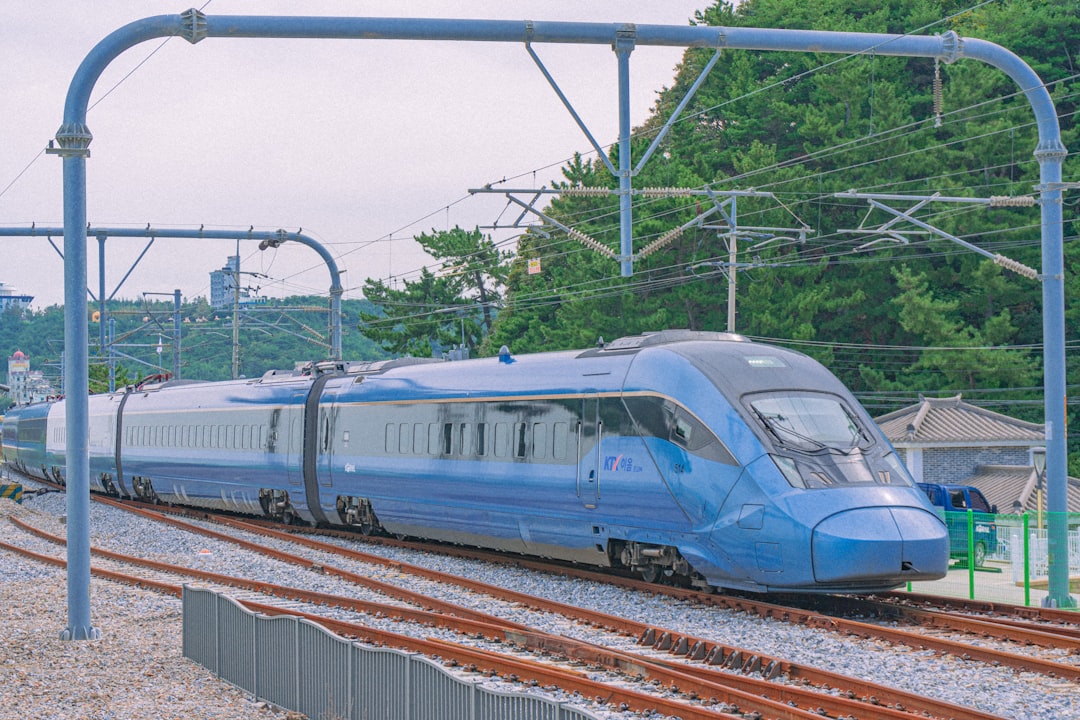
Traveling between Seoul and Busan is incredibly easy thanks to Korea's efficient public transportation. The KTX (Korea Train eXpress) high-speed train is the fastest and most popular option. The journey takes roughly 2.5 to 3 hours, with tickets costing around ₩59,800 (approx. $44 USD) one-way from Seoul Station to Busan Station. Booking in advance, especially on weekends or holidays, is highly recommended.
Within Seoul, the subway system is one of the best in the world – extensive, clean, and easy to navigate, even for first-time visitors. A single ride typically costs ₩1,250 (approx. $0.90 USD) with a T-Money card. Buses are also excellent, covering areas the subway doesn't. Walking is often the best way to explore individual neighborhoods.
Busan also has an efficient subway system that connects major attractions, albeit not as extensive as Seoul's. Many popular spots like Gamcheon Culture Village or Haedong Yonggungsa Temple might require a bus transfer or a taxi after the subway. Taxis are generally more affordable in Busan than in Seoul. The city also has tourist buses for easy sightseeing.
Twin Rabbit Connection: My Seoul Basecamp
If you're leaning towards Seoul for your trip and want to immerse yourself in a genuinely cool, youthful, and artistic neighborhood, then staying in the Yeonnam-dong/Hongdae area is perfect. Trust me, it's my local stomping ground and truly feels like home. It’s got endless cafes, unique shops, and fantastic eateries, all with a lively but not overwhelming vibe.
Twin Rabbit Guest House is a solid, friendly base right there, giving you super easy access to everything. It’s a great spot to explore Hongdae’s energy without being right in the middle of the chaotic main drag. Plus, it's super well-connected to the subway (Hongik University Station, Line 2 & Airport Railroad, Exit 3) for easy Seoul exploration.
Pro Tips for Your Korea Trip
- Get a T-Money Card Immediately: This rechargeable card works on all public transport (subway, bus, some taxis) in both Seoul and Busan, and even for convenience store purchases. You can buy and top it up at any subway station or convenience store. It saves so much hassle.
- Download Naver Map or KakaoMap: Google Maps isn't reliable for public transport directions in Korea. These local apps are essential for navigation. Trust me on this, it's a game changer.
- Learn Basic Korean Phrases: Even a simple "Annyeonghaseyo" (hello), "Gamsahamnida" (thank you), and "Juseyo" (please give me) goes a long way. Locals truly appreciate the effort.
- Embrace the Café Culture: Both cities have an incredible café scene. Don't just grab a coffee; enjoy the unique concepts, aesthetics, and delicious pastries. It’s a huge part of Korean social life.
- Book KTX in Advance: Especially if you're traveling during peak season or holidays, KTX tickets between Seoul and Busan can sell out quickly. Use the Korail website or app to secure your seats. Korea Tourism Organization has great guides for booking.
Frequently Asked Questions
Q: Is Busan cheaper than Seoul for travelers?
A: Generally, yes, Busan tends to be slightly more affordable than Seoul. Accommodation, local transportation, and some dining options can be a bit lower in price, especially for seafood and traditional street food.
Q: How many days should I spend in each city?
A: For Seoul, I'd recommend at least 4-5 full days to cover the main attractions and get a feel for different neighborhoods. For Busan, 2-3 full days is usually sufficient to enjoy the beaches, markets, and cultural sites.
Q: What's the best way to travel between Seoul and Busan?
A: The KTX high-speed train is by far the best option. It's fast, comfortable, and efficient, taking about 2.5 to 3 hours. You can book tickets online via the Korail website or app.
Q: Which city is better for first-time visitors to Korea?
A: For most first-time visitors, Seoul is often recommended due to its comprehensive experience of Korean culture, history, modern life, and easier navigation. However, if you prioritize relaxation and coastal beauty, Busan is also an excellent choice.
Q: Can I visit both Seoul and Busan on a 7-day trip?
A: Absolutely! Many travelers successfully visit both. A common itinerary might be 4-5 days in Seoul and 2-3 days in Busan, utilizing the KTX for quick travel between the cities. Visit Seoul Official can help you plan your Seoul portion.
Final Verdict: Is it Seoul or Busan for You?
So, who wins the great Seoul vs Busan debate? Ultimately, it's not about one being definitively "better," but about what kind of experience you're truly craving. If you want the full, high-octane Korean experience with endless possibilities, Seoul is your destination. If you're yearning for a refreshing coastal getaway with stunning views, delicious seafood, and a more relaxed pace, Busan is calling your name.